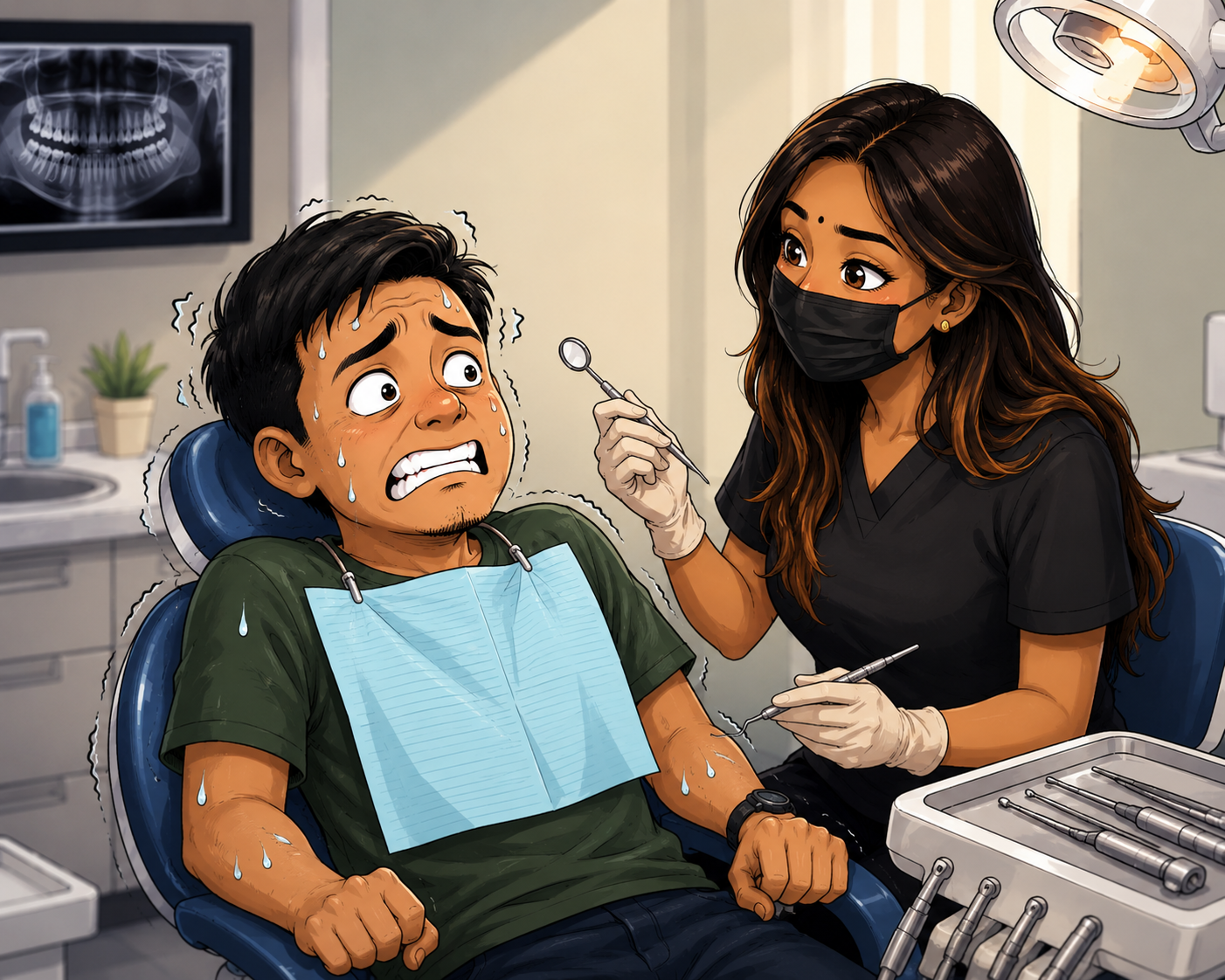
It was Monday, 6:30 AM. I was brushing my teeth half-asleep, cranky, and already regretting life choices… when my toothbrush decided to betray me and slammed into my lower lip attachment. Pain level: 100. Sleepiness: instantly cured.
By lunchtime, the evil white dot of doom had already appeared — a mouth ulcer.
Day 1: The Beginning of the Pain
Just constant discomfort. Every time I spoke, drank water, or tried to pretend I was fine, the pain reminded me, “Nope, I’m here to ruin your day.”

Day 2: Ulcer Level 1000
Woke up, checked the mirror, and there it was — the classic white dot of doom.
-
Talking? Difficult.
-
Drinking water? Felt like sipping hot lava.
-
Chewing food? Forget it. Even soft bread felt like sandpaper.
At this point, I started respecting all ulcer survivors. You guys are warriors.
What Even Are Mouth Ulcers?
In case you’ve been blessed and never had one:
-
They’re tiny, painful sores inside your mouth.
-
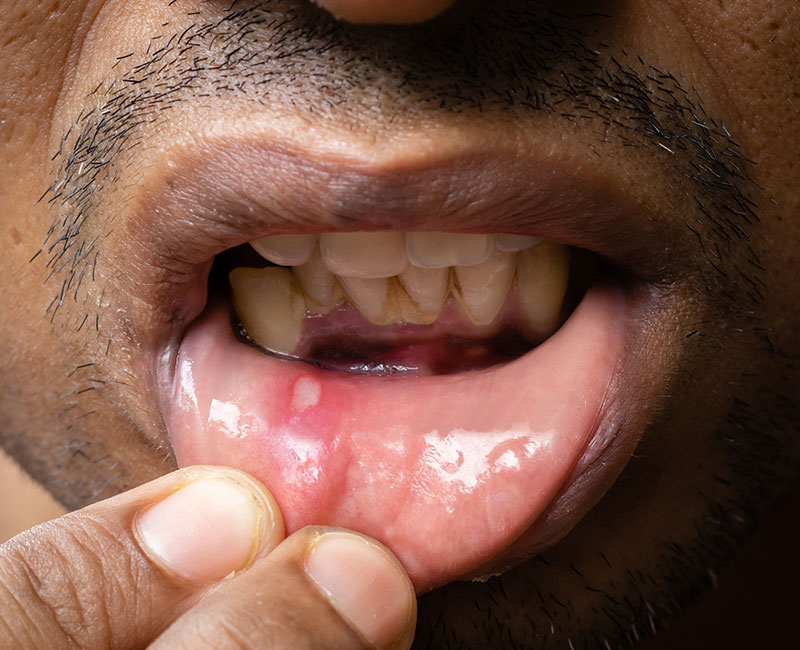
They usually look like a small white crater with a red border.
-
They’re not contagious, but boy, they’re dramatic.
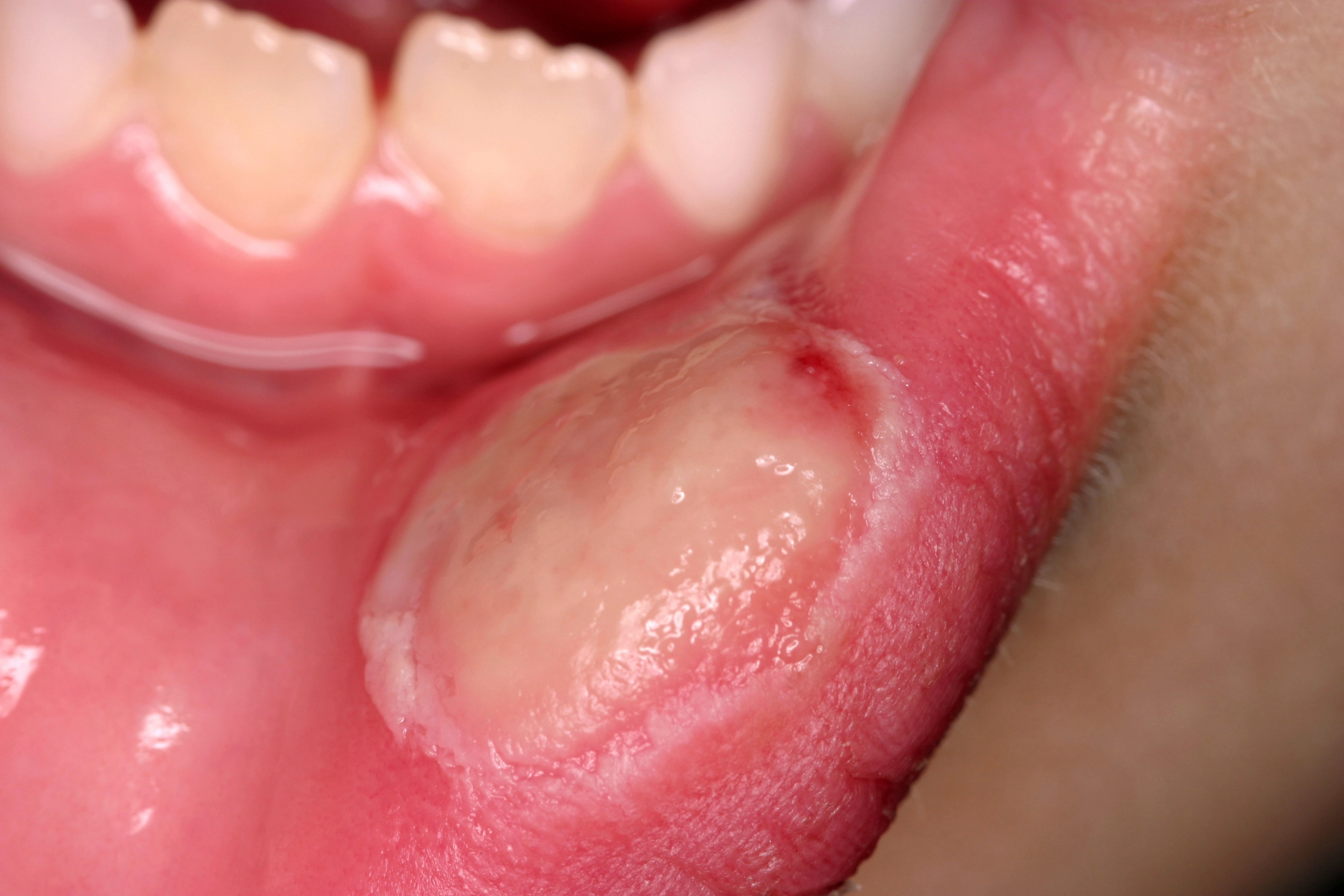
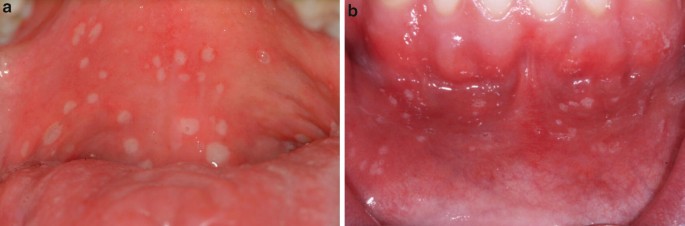
Types? Oh yes, even ulcers have categories:
-
Minor ulcers: Small,heal fast, but still annoying.
- Major ulcers: Big, painful, takeweeks, sometimes leave scars.
- Herpetiform ulcers: Lots of tiny ones gang up together like an army
Why Do They Happen?
-
Accidents (like mine, fighting with a toothbrush).
-
Stress & lack of sleep (hello, adulthood).
-
Nutritional gaps (low B12, iron, folate).
-
Random bad luck (sometimes they just appear for no reason, like uninvited guests).
How Are Mouth Ulcers Diagnosed?
Most of the time, mouth ulcers are diagnosed with a simple visual check by your dentist or doctor. They can usually tell just by looking.
But if the ulcer looks suspicious, doesn’t heal, or keeps coming back, further tests may be needed:
-
Culture of the sore → to rule out infection.
-
Biopsy → to check if there’s an underlying condition.
-
Blood tests → to check for nutritional deficiencies or systemic issues.
Why so cautious? Because not everything that looks like a mouth ulcer actually is one. Other conditions can mimic or coexist, including:
-
Cold sores (caused by herpes virus, usually outside the mouth/lips).
-
Aphthous stomatitis (recurring ulcers, the “true” canker sores).
-
Leukoplakia (white patches inside the mouth — can be benign or precancerous).
-
Lichen planus (autoimmune condition causing white/purple patches inside the mouth).
That’s why persistent or unusual ulcers deserve a closer look.
Treatment Options (Quick Survival Guide)
-
OTC gels/ointments → numbing or anti-inflammatory (e.g., benzocaine, hydrocortisone).
-
Prescription meds → stronger creams/rinses (like corticosteroids) if ulcers are severe or recurring.
-
Home remedies → salt water rinse (ouch but works), baking soda paste, honey for soothing.
-
Lifestyle fixes → boost vitamins (B12, iron, folate, zinc), manage stress, avoid spicy/acidic triggers.
-
Dentist visit → if it’s bad, keeps coming back, or refuses to heal.
🚨 WARNING 🚨
If your ulcer is still around after 2 weeks, that’s NOT normal.
👉 Sometimes what looks like a simple ulcer can actually be a cancerous lesion.
So don’t play hero. Don’t wait.
-
Get in your car.
-
Rush to a dentist.
-
Tell them: “Doc, I’ve got an ulcer that won’t quit.”
Your health is priceless — don’t take chances with something that seems small but could be dangerous.
👉 Drop your ulcer story in the comment box below — was it the size of a dot, or did it feel like a crater from outer space?
Let’s see who’s got the most dramatic “ulcer survival” tale!