“Open Big” — everyone’s favorite line at the dentist, right? Well, it’s the only way we can see all the way to the back, where those elusive wisdom teeth hide.
What Are Wisdom Teeth?
Wisdom teeth, also called third molars, are the last set of molars most people develop between their late teens and early twenties — during the so-called “age of wisdom.” If they grow in straight, healthy, and with enough space, they can help with chewing and function just like your other teeth. But more often than not, that’s not the case.
Why Wisdom Teeth Cause Problems
Many people experience impacted wisdom teeth, where these molars don’t have enough room to fully erupt. They can grow at odd angles, push against neighboring teeth, or remain trapped under the gums. This can lead to wisdom tooth pain, swelling, and even infections. Impacted teeth are also harder to clean, increasing the risk of cavities, gum disease, and damage to nearby teeth.
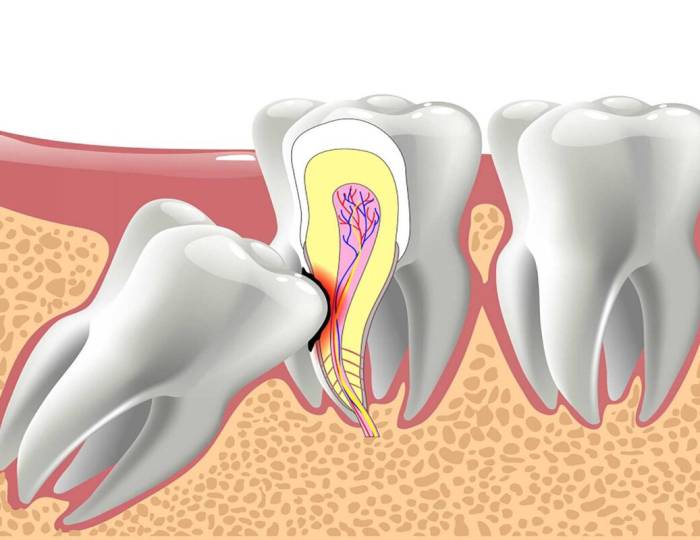
Food and plaque can easily get stuck in tight spaces around misaligned wisdom teeth. Over time, bacteria feed on these trapped particles, causing gum inflammation, bad breath, and sometimes severe jaw pain. In some cases, cysts can form around the impacted tooth, damaging bone and surrounding tissue.
Common Wisdom Tooth Symptoms:
You might need wisdom teeth removal if you notice:
-
Persistent jaw pain or soreness at the back of your mouth
-
Swelling of the gums or face
-
Difficulty opening your mouth fully
-
Bad breath or unpleasant taste
-
Pain radiating to the ear or side of the face
-
Red, inflamed gums around the tooth
When to Remove Wisdom Teeth
Wisdom teeth start forming around age 12 and are fully developed by about 18–20. Dentists or oral surgeons can take an x-ray as early as 14 or 15 to see if they’ll fit properly or cause trouble. If wisdom tooth extraction is recommended early, the surgery is often simpler, recovery is faster, and the risk of complications is lower. Waiting until pain, swelling, or infection occurs usually means a more complex procedure and a longer healing time.
Not all wisdom teeth are troublemakers — some people keep them for life without any problems. But they are unpredictable, and it’s better to monitor them closely than to deal with unexpected pain later. Early evaluation is key.